Outerplane blends turn-based tactics with cinematic anime combat
OUTERPLANE, developed by VA Games, thrusts an Earthling called K into Mirsha where betrayal and revenge drive the story. The app pairs turn-based strategy with a timing-focused Skill Chain and Burst system that emphasizes linking abilities and timed inputs during combat. It presents high-fidelity 3D anime character models, collectible heroes with elemental roles, and multiple play modes. Fans of tactical RPGs and hero-collection experiences seeking a story-heavy, combat-focused mobile title are the intended audience.
The revenge-driven isekai frames every encounter with consequence
You step into Mirsha as a betrayed outsider, and the narrative intent is clear: revenge motivates recruitment and combat choices. The campaign is story-centered and written to support character arcs and side stories, so decisions during battles carry emotional weight rather than existing as isolated encounters. Thus, players who prioritize narrative justification for each fight find the campaign’s structure directly tied to player action.
Combat challenges timing and rewards tactical chaining
The app’s combat is turn-based but departs from simple exchange-by-exchange play through its Skill Chain and Burst design. Players link abilities to build combos and must hit timing windows to trigger enhanced effects, so planning turn order and executing inputs are both strategic tasks. Modes include a main campaign, Arena PvP, and challenge dungeons, giving the tactical systems repeated contexts to test setups against human opponents and staged encounters.
Presentation favors cinematic anime action on mobile screens
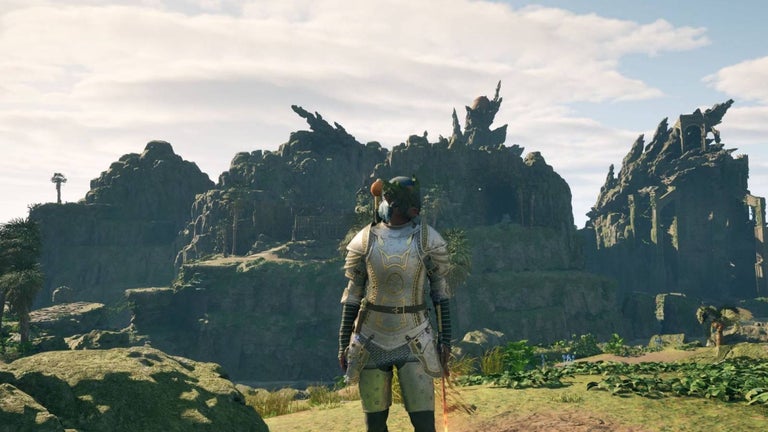
Presentation emphasizes 3D anime-style character models and cinematic skill animations, producing set-piece moments during ability execution. The visual style is described as 'Action Anime' and the game uses that presentation to dramatize key attacks and counters. The interface layers combat prompts for Skill Timing onto battle screens, so visual clarity matters; the title prioritizes spectacle while keeping combat readouts visible on typical mobile displays.
Replay comes from competitive modes and collectible team building
Replayability rests on roster variety and repeatable content. A diverse hero roster with elemental attributes and unique roles encourages reconfiguring teams for different challenge dungeons and Arena matchups. Competitive play in the Arena and periodic challenge content provide reasons to revisit encounters, while the hero-collection model incentivizes experimenting with combinations. Players who enjoy iterative team refinement gain the most long-term engagement.
Outerplane suits narrative-minded tacticians but demands a capable device
Outerplane is a compelling choice for players who enjoy timed tactical combat wrapped in a darker isekai narrative and repeated PvP or challenge content. The design rewards mastery of timing and team composition, making it best for those who enjoy deliberate, combo-driven encounters. Some users report technical instability on older hardware, which is an important consideration for players on lower-end devices.